Vastu Shastra: House of Horrors 🏚️
The Complete Encyclopedia of India's Architectural Horror Masterpiece
HorrorPuzzleMysterySupernaturalIndian Culture
Game Overview 🔍
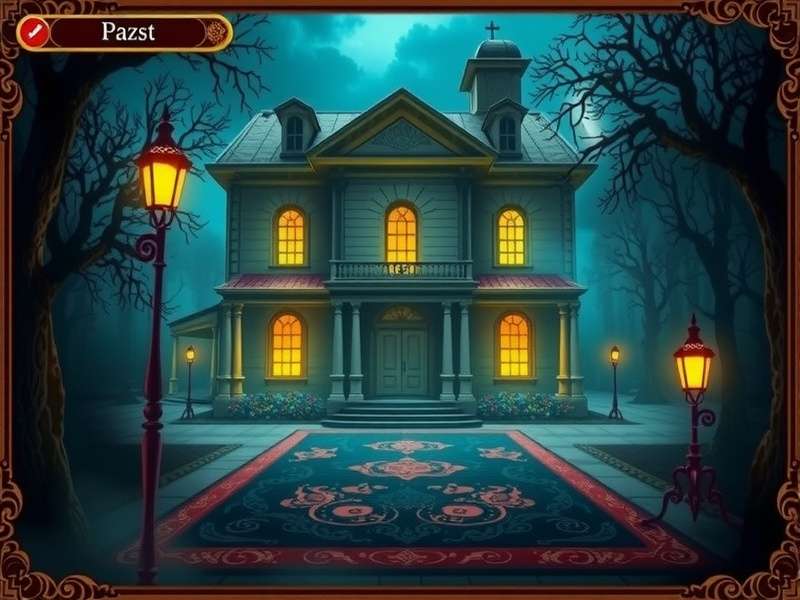
Vastu Shastra: House of Horrorsrepresents a groundbreaking achievement in the Indian gaming industry, blending traditional cultural elements with modern horror gameplay. This immersive experience transports players into a meticulously crafted world where ancient architectural principles collide with supernatural forces.
Developed by an independent Indian studio, the game has garnered international attention for its unique premise and authentic representation of South Asian horror tropes. Unlike Western horror games that rely on jump scares and gore, Vastu Shastra: House of Horrors builds tension through atmospheric dread and psychological horror.
Key Facts
Release Date:October 2022 |Platforms:PC, PlayStation, Xbox, Mobile |Genre:Horror Puzzle Adventure
Developer:Mystic Realms Studio |Publisher:IndiGame Productions
The game's central premise revolves around Vastu Shastra, the ancient Indian science of architecture and space arrangement. Players must navigate a haunted mansion where every room, corridor, and object placement follows or violates these ancient principles, creating either sanctuary spaces or zones of extreme supernatural activity.
What sets Vastu Shastra: House of Horrors apart from other horror titles is its educational aspect. As players progress, they genuinely learn about Vastu principles and how architectural design can influence energy flow in living spaces. This unique blend of entertainment and cultural education has been praised by both gamers and cultural preservation advocates.
Gameplay Mechanics 🎮
The core gameplay of Vastu Shastra: House of Horrors combines exploration, puzzle-solving, and survival horror elements. Players assume the role of an architect who specializes in Vastu Shastra, called to investigate a notorious haunted property.
Exploration & Environment Interaction
Players navigate through the sprawling mansion, with each area presenting unique challenges based on Vastu compliance. The game features a dynamic environment system where rearranging objects according to Vastu principles can alter the supernatural activity in that area.
Puzzle Mechanics
The puzzle system in Vastu Shastra: House of Horrors is deeply integrated with Vastu concepts. Players must:
- Identify Vastu defects in room layouts
- Rearrange furniture and objects to restore positive energy flow
- Use traditional Indian remedies like bells, mirrors, and crystals
- Solve architectural puzzles to unlock new areas
- Balance the five elements (Panchabhoota) in different rooms
Supernatural Encounters
As players explore the mansion, they encounter various entities based on Indian folklore. These include Bhoots (ghosts), Pishachas (flesh-eating demons), and Churails (witch-like beings). Each entity behaves differently and requires specific Vastu-based strategies to overcome or pacify.
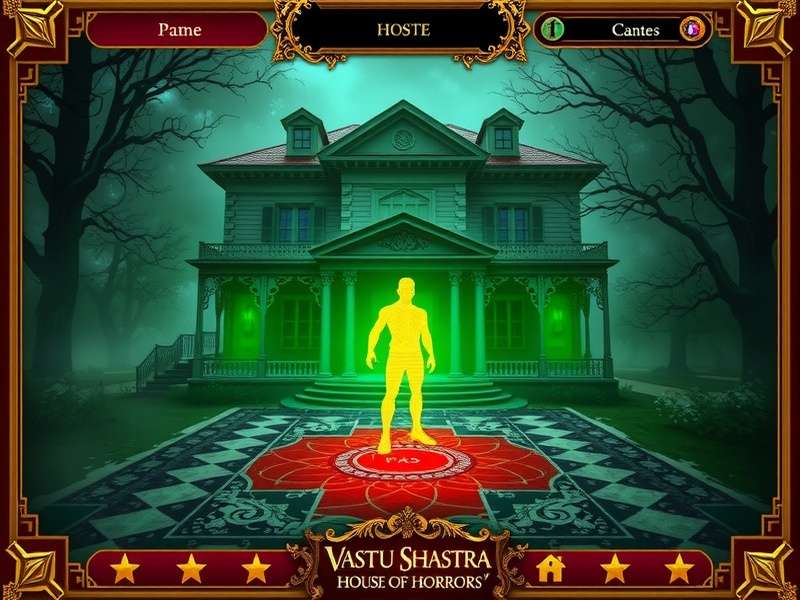
Cultural Authenticity Note
The developers consulted with Vastu experts and cultural anthropologists to ensure accurate representation of traditional beliefs and practices. This attention to detail extends to the game's visual design, soundscape, and narrative elements.
Story & Narrative 📖
The narrative of Vastu Shastra: House of Horrors follows Arjun Mehra, a skeptical architect who reluctantly accepts a commission to assess the structural integrity of the infamous "Raghav Mansion." What begins as a routine professional assignment quickly descends into a fight for survival against malevolent forces.
Plot Development
Arjun discovers that the mansion's original owner, a wealthy industrialist named Rajesh Raghav, had deliberately violated numerous Vastu principles during construction. These violations were intended to harness dark energies for material gain, but instead unleashed uncontrollable supernatural forces that claimed multiple lives.
As Arjun explores deeper into the mansion, he uncovers journals, letters, and audio recordings that piece together the tragic history of the Raghav family. The narrative expertly weaves together past and present, revealing how architectural choices directly influenced the family's downfall.
Themes & Symbolism
Vastu Shastra: House of Horrors explores several profound themes:
- The consequences of disrupting natural balance for personal gain
- The conflict between modern skepticism and traditional wisdom
- Architecture as both physical structure and spiritual container
- Indian family dynamics and intergenerational trauma
- The psychological impact of living in energetically unbalanced spaces
Narrative Strength
"The story in Vastu Shastra: House of Horrors succeeds where many horror games fail - it makes you care about the characters and their fates. The gradual revelation of the Raghav family tragedy is masterfully paced, with each discovery raising stakes and deepening the mystery." - Gaming Horizon Review
Vastu Shastra Principles 🏛️
At the heart of Vastu Shastra: House of Horrors lies the ancient Indian architectural science of Vastu Shastra. This system, dating back thousands of years, provides guidelines for designing buildings in harmony with natural forces.
Fundamental Vastu Concepts in the Game
The game introduces players to several key Vastu principles that directly impact gameplay:
Directional Alignment
Each cardinal direction in Vastu Shastra is associated with specific energies and deities. The game mechanics reflect this through:
- North-facing rooms generating wealth-related puzzles
- East-facing areas connected to health and vitality mechanics
- South-facing spaces often containing more dangerous entities
- West-facing rooms presenting relationship-based challenges
Five Elements Balance (Panchabhoota)
The game incorporates the balance of Earth, Water, Fire, Air, and Space elements. Players must identify elemental imbalances in different rooms and correct them using appropriate Vastu remedies.
Energy Flow (Prana)
The concept of life force energy, or Prana, is visualized in the game through a unique mechanic that shows energy currents throughout the mansion. Players can manipulate objects to redirect or block negative energy flows.
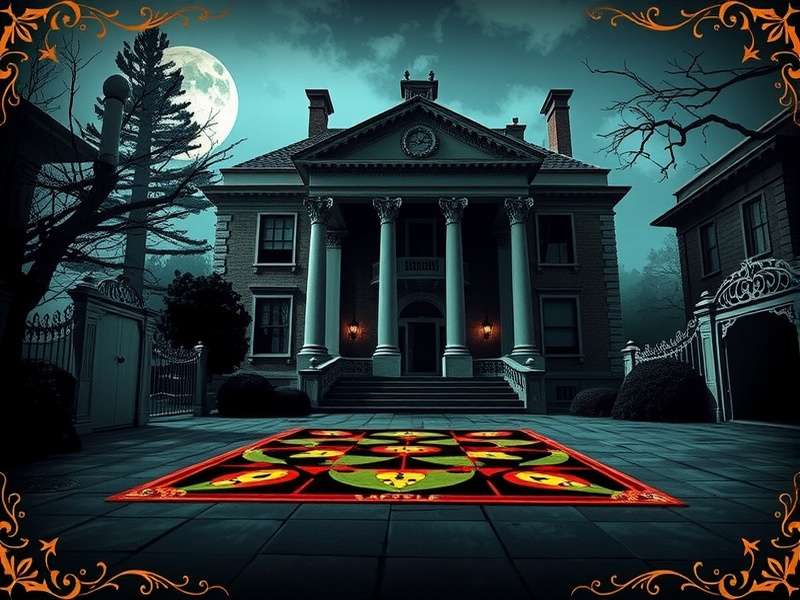
Educational Value
Many players have reported that after completing Vastu Shastra: House of Horrors, they found themselves noticing Vastu principles in real-world architecture. The game serves as an unintentional but effective introduction to this ancient science.
Common Vastu Defects Featured
The game presents various Vastu defects that players must identify and correct:
- Main entrance facing south without protective elements
- Kitchen located in the northeast corner
- Toilets placed in northeast or southwest areas
- Staircases facing the main entrance
- Bedrooms with beams overhead sleeping areas
- Mirrors reflecting beds or main doors
Characters & Entities 👥
Vastu Shastra: House of Horrors features a rich cast of characters, both living and supernatural, that drive the narrative forward and create memorable gameplay experiences.
Main Characters
Arjun Mehra (Protagonist)
A rational, modern architect initially skeptical of Vastu principles. His character arc involves gradually accepting the validity of traditional knowledge as he witnesses its effects firsthand. His architectural expertise becomes his primary tool for survival.
Priya Sharma (Mentor Figure)
An elderly Vastu expert who provides guidance through phone calls and discovered research notes. Her character represents the preservation of traditional knowledge and serves as the player's main source of Vastu information.
Rajesh Raghav (Antagonist)
The original owner of the mansion whose greed led him to deliberately violate Vastu principles. His spirit remains trapped in the house, manipulating events and entities to prevent the restoration of balance.
Supernatural Entities
The game features entities drawn from authentic Indian folklore, each with unique behaviors and weaknesses:
Bhoots (Restless Spirits)
These common spirits are often trapped due to unfinished business or improper funeral rites. In gameplay, they typically inhabit areas with specific Vastu defects and can be pacified by correcting those defects.
Churails (Vengeful Spirits)
More dangerous entities that appear as inverted-foot women. They typically inhabit spaces with severe Vastu violations related to feminine energy and require specific rituals to overcome.
Brahmarakshas (Scholar Spirits)
These entities present puzzle-based challenges rather than direct threats. They test the player's knowledge of Vastu principles through complex architectural riddles.
Entity Behavior System
The game features a sophisticated AI system where supernatural entities respond to environmental changes. Correcting Vastu defects can either pacify aggressive entities or attract different types of spirits, creating dynamic gameplay scenarios.
Development History 🛠️
The creation of Vastu Shastra: House of Horrors represents a significant milestone in the Indian game development industry. The project began as a passion project by a small team of developers who wanted to create a horror experience rooted in Indian culture rather than Western tropes.
Conceptualization Phase
The initial concept emerged from lead developer Rohan Kapoor's personal experience with Vastu consultants during his family's home construction. He realized that architectural principles could form the basis of a unique puzzle-horror mechanic.
Early development focused on researching Vastu Shastra extensively. The team consulted with Vastu experts, architects, and cultural historians to ensure authenticity. This research phase lasted nearly a year before active development began.
Technical Development
The game was built using Unity engine, with custom shaders developed to visualize energy flows and supernatural phenomena. The team created proprietary tools to simulate Vastu principles dynamically, allowing environmental changes to immediately affect gameplay elements.
Sound design played a crucial role in establishing the game's atmosphere. The team recorded authentic Indian instruments and ambient sounds from various architectural spaces to create a soundscape that enhances both the cultural authenticity and horror elements.
Cultural Consultation
Throughout development, the team worked closely with cultural consultants to ensure respectful representation of Indian traditions and folklore. This included sensitivity readers who reviewed the narrative and character representations.
Community Involvement
The developers maintained transparency throughout the process, sharing development updates and soliciting feedback from both gaming communities and cultural preservation groups. This approach helped build anticipation while ensuring cultural accuracy.
Critical Reception 🌟
Vastu Shastra: House of Horrors received widespread critical acclaim upon release, with particular praise for its innovative gameplay mechanics and cultural authenticity.
Review Scores & Awards
The game achieved impressive review scores across major gaming publications:
- GameInformer: 9/10 - "A revolutionary approach to horror gaming"
- IGN India: 8.5/10 - "Finally, a horror game that understands Indian culture"
- PC Gamer: 88/100 - "Educational and terrifying in equal measure"
- GameSpot: 8/10 - "Proof that cultural specificity enhances universal appeal"
The game received several industry awards, including "Best Indie Game" at the India Game Developer Conference and "Innovation in Gameplay" at the Asian Gaming Awards.
Player Response
Player reception has been overwhelmingly positive, with particular appreciation for:
- The educational aspect of learning Vastu principles
- Atmospheric horror that relies on tension rather than jump scares
- Authentic representation of Indian culture and folklore
- Innovative puzzle mechanics tied to architectural principles
- Compelling narrative with well-developed characters
Cultural Impact Recognition
Beyond gaming circles, Vastu Shastra: House of Horrors has been recognized by cultural organizations for its role in preserving and popularizing traditional Indian knowledge systems among younger generations.
Cultural Impact & Significance 🌍
The release of Vastu Shastra: House of Horrors has had profound effects beyond the gaming world, influencing how Indian culture is represented in media and perceived internationally.
Representation in Gaming
The game marks a significant step forward in authentic cultural representation in video games. Prior to its release, Indian elements in games were often limited to stereotypical depictions or superficial aesthetic choices.
Vastu Shastra: House of Horrors demonstrates that games can explore non-Western cultural concepts in depth while remaining accessible to global audiences. Its success has inspired other developers to explore culturally specific themes and mechanics.
Educational Applications
Unexpectedly, the game has found use in educational contexts. Architecture schools have incorporated it into their curriculum to introduce students to Vastu principles in an engaging format. Cultural studies programs use it as a case study in contemporary digital folklore.
Industry Impact
The commercial and critical success of Vastu Shastra: House of Horrors has demonstrated the viability of culturally specific games in the global market. This has led to increased investment in games exploring diverse cultural perspectives, particularly from developing regions.
Global Recognition
The game has been featured in international media as an example of the growing maturity and diversity of the global gaming industry. It has helped challenge perceptions of Indian developers as merely providing outsourcing services rather than creating original content.
Future of the Franchise
Given the success of Vastu Shastra: House of Horrors, the developers have announced plans for both a direct sequel and spin-off titles exploring other aspects of Indian cultural heritage through interactive media.
The franchise expansion will reportedly include games based on other Indian knowledge systems, including Ayurveda, Jyotish (Vedic astrology), and traditional Indian martial arts, all integrated with engaging gameplay mechanics.
Conclusion: The Legacy of Vastu Shastra: House of Horrors 🏆
Vastu Shastra: House of Horrors stands as a landmark achievement in interactive entertainment, successfully blending education, cultural preservation, and compelling gameplay. Its innovative approach to horror through architectural principles has created a unique niche that continues to influence game design.
The game demonstrates that culturally specific content has universal appeal when executed with authenticity and creativity. It has paved the way for more diverse representations in gaming and expanded the possibilities of what games can teach us about the world.
As the gaming industry continues to globalize, titles like Vastu Shastra: House of Horrors will be remembered as pioneers that proved games could be both entertaining and culturally significant, bridging traditional knowledge with modern technology to create experiences that resonate across boundaries.
Experience Vastu Shastra: House of Horrors
Available now on all major platforms. Discover why this groundbreaking title has redefined cultural horror gaming.