Table of Contents
Overview of High Pressing Game
TheHigh Pressing Gamerepresents a revolutionary approach to football strategy that has gained significant traction in Indian football circles. This tactical philosophy emphasizes aggressive defensive positioning and coordinated team movement to regain possession high up the pitch.
Unlike traditional defensive strategies that focus on maintaining shape and waiting for opponents to make mistakes, theHigh Pressing Gameproactively forces errors through calculated pressure. This approach requires exceptional physical conditioning, tactical discipline, and seamless coordination among all team members.
Definition:TheHigh Pressing Gameis a football strategy where teams apply intense pressure on opponents immediately after losing possession, typically in the opponent's half of the field, with the objective of quickly regaining the ball and creating scoring opportunities.
Indian coaches and teams have increasingly adopted this methodology, recognizing its potential to level the playing field against technically superior opponents. The strategy aligns well with the athleticism and energy that characterize many Indian players, making it a natural fit for the developing football landscape in the country.
Core Principles of High Pressing
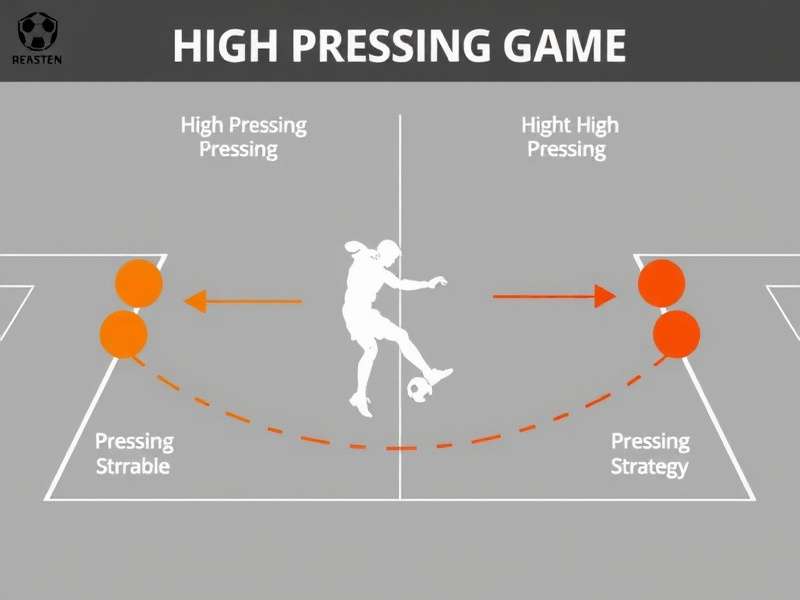
Successful implementation of theHigh Pressing Gamerelies on several fundamental principles that guide player decision-making and team coordination. Understanding these core concepts is essential for coaches and players aiming to master this demanding tactical approach.
Collective Pressure
The entire team must move as a cohesive unit when applying pressure. Isolated pressing efforts are easily bypassed by competent opponents. Effective high pressing requires synchronized movement where multiple players converge on the ball carrier simultaneously, cutting off passing lanes and forcing hurried decisions.
Triggers and Cues
Players must recognize specific triggers that signal when to initiate the press. Common triggers include backward passes, poor first touches, passes to players in vulnerable positions, or specific opponent formations. Developing this game intelligence separates elite pressing teams from mediocre ones.
Vertical Compactness
Maintaining short distances between defensive lines is crucial in theHigh Pressing Game. When the team pushes forward to press, the space between defenders, midfielders, and forwards should be minimized to prevent opponents from playing through the lines with penetrating passes.
Adaptive Intensity
Not every situation warrants maximum pressing intensity. Smart teams vary their pressing intensity based on game context, scoreline, time remaining, and opponent capabilities. This strategic modulation conserves energy and prevents predictability.
Tactical Approaches to High Pressing
Several distinct tactical frameworks exist within the broaderHigh Pressing Gamephilosophy. Each approach offers unique advantages and requires specific player profiles and training methodologies to implement effectively.
Gegenpressing (Counter-Pressing)
Popularized by coaches like Jürgen Klopp, gegenpressing focuses on immediate reaction after losing possession. Instead of transitioning to defensive shape, players instantly swarm the ball to win it back before the opponent can organize their attack. This approach capitalizes on the brief moment of disorganization following a turnover.
Positional Pressing
This method involves pressing based on specific zones rather than immediate reaction to turnovers. Teams force opponents into predetermined areas of the pitch where pressing traps are set. Positional pressing requires extensive drilling to ensure players understand their responsibilities in each zone.
Man-Oriented Pressing
In this approach, players are assigned specific opponents to mark and press throughout the match. This personalized defensive responsibility can disrupt opponent buildup patterns by denying key players time and space. However, it requires exceptional individual defensive capabilities and fitness.
Hybrid Systems
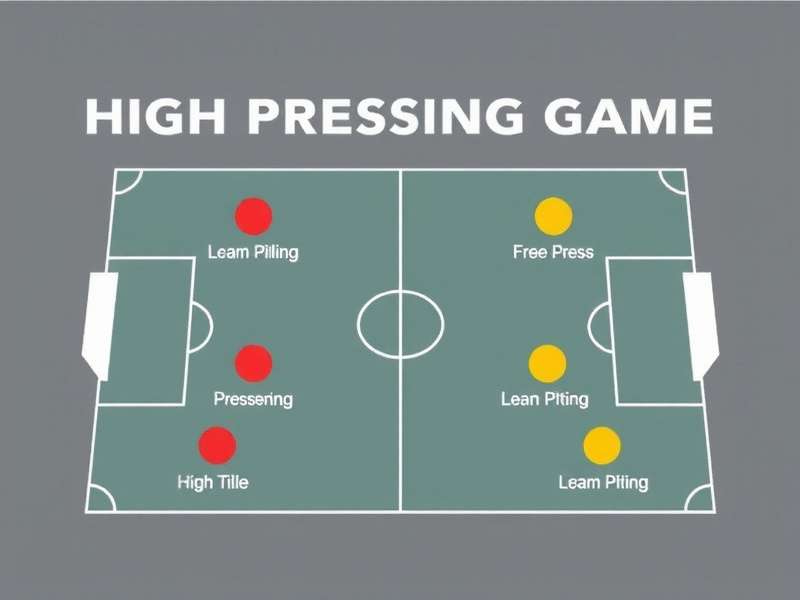
Modern elite teams often employ hybrid systems that combine elements of various pressing approaches. These flexible frameworks allow teams to adapt their pressing strategy based on opponent strengths, game situations, and player capabilities. The evolution of theHigh Pressing Gamecontinues toward increasingly sophisticated hybrid models.
Formation Strategies for Effective Pressing
Certain formations naturally facilitate the implementation of a successfulHigh Pressing Game. While any formation can theoretically incorporate pressing principles, some structures provide inherent advantages for coordinated defensive pressure high up the pitch.
4-3-3 Formation
The 4-3-3 has become the formation most commonly associated with effective high pressing. Its front three can effectively cover the opposition's back line, while the midfield three provide cover and support. The width provided by the wingers prevents opponents from easily playing out wide to escape pressure.
4-2-3-1 Formation
This formation offers a strong central presence with the double pivot in midfield and an advanced attacking midfielder supporting the striker. The 4-2-3-1 allows for effective pressing triggers when the ball reaches specific zones, with the attacking midfielder often initiating the press.
3-4-3 and 3-5-2 Variations
Formations with three central defenders provide numerical superiority at the back, allowing wing-backs to push higher and participate in the initial press. These systems can create effective pressing traps in wide areas while maintaining defensive security through central numbers.
Formation Flexibility:While certain formations facilitate pressing, the success of anyHigh Pressing Gameultimately depends more on player understanding, coordination, and execution than on the specific formation employed.
Key Benefits of High Pressing Strategy
The adoption of theHigh Pressing Gameoffers numerous advantages that explain its growing popularity across all levels of football, including the rapidly developing Indian football scene.
Territorial Advantage
By pressing high up the pitch, teams gain territorial dominance and pin opponents in their defensive third. This positioning creates sustained attacking pressure and increases the likelihood of scoring opportunities through forced turnovers in dangerous areas.
Psychological Impact
Relentless pressing can demoralize opponents and force errors even from technically gifted players. The constant pressure disrupts opponent rhythm and composure, leading to uncharacteristic mistakes that can be capitalized upon.
Fitness Development
Implementing an effectiveHigh Pressing Gamerequires exceptional physical conditioning. The training focus on high-intensity intervals and repeat sprints develops player fitness to elite levels, providing benefits beyond the specific tactical approach.
Tactical Flexibility
Teams that master high pressing develop the ability to control games through multiple means. They can press aggressively to force turnovers or sit deeper and counter-attack based on game situations. This versatility makes teams less predictable and more difficult to prepare against.
Implementation Guide for Coaches
Successfully implementing aHigh Pressing Gamerequires careful planning, progressive training methodologies, and patience. Coaches must consider numerous factors when introducing this demanding tactical approach to their teams.
Player Profiling and Selection
Not all players are naturally suited to the physical and technical demands of high pressing. Coaches must identify players with the necessary work rate, tactical intelligence, and recovery capacity. Key attributes include stamina, acceleration, aggression, and game understanding.
Progressive Training Methodology
Introducing high pressing should follow a progressive approach, beginning with small-sided games that emphasize immediate pressure after loss of possession. Gradually increase complexity by adding more players, introducing specific triggers, and incorporating transition elements.
Position-Specific Responsibilities
Each position has unique responsibilities within the pressing system. Forwards must initiate the press and cut passing lanes, midfielders provide support and cover spaces, while defenders maintain high lines and anticipate through balls. Clear role definition is essential for coordinated pressing.
Conditioning Requirements
The physical demands of theHigh Pressing Gamenecessitate specialized conditioning programs. High-intensity interval training, repeated sprint ability work, and sport-specific endurance drills must form the foundation of physical preparation.
Implementation Timeline:Most teams require at least one full preseason to fully implement an effectiveHigh Pressing Game. Rushing the process typically leads to disorganization, fitness issues, and poor results.
Historical Development and Evolution
While theHigh Pressing Gamefeels like a modern tactical innovation, its roots extend back several decades in football history. Understanding this evolution provides context for current implementations and future developments.
Early Pioneers
Elements of organized pressing can be traced to the Hungarian "Aranycsapat" (Golden Team) of the 1950s and the Dutch "Total Football" philosophy of the 1970s. These systems emphasized collective responsibility and spatial awareness, laying the groundwork for modern pressing approaches.
German Influence
German coaches, particularly those from the former East Germany, developed systematic pressing methodologies in the 1980s. Coaches like Ernst Happel and Helmut Schön incorporated structured pressing into their tactical frameworks, influencing a generation of German coaches.
Modern Evolution
The contemporaryHigh Pressing Gamehas been refined by coaches like Pep Guardiola, Jürgen Klopp, and Diego Simeone. Each has developed distinctive pressing philosophies that have been widely adopted and adapted across global football, including emerging markets like India.
Indian Adoption
Indian teams began experimenting with high pressing strategies in the early 2010s, with increased exposure to international coaching methodologies through foreign coaches and player exchanges. The establishment of professional leagues accelerated tactical evolution, making theHigh Pressing Gameincreasingly common in Indian football.
Future of High Pressing in Indian Football
The trajectory of theHigh Pressing Gamein Indian football points toward continued evolution and refinement. Several factors will influence how this tactical approach develops within the unique context of Indian football.
Youth Development Integration
For high pressing to become deeply embedded in Indian football philosophy, it must be integrated into youth development pathways. Academy programs are increasingly emphasizing pressing principles from early ages, developing players who are naturally comfortable with these tactical demands.
Adaptation to Indian Conditions
TheHigh Pressing Gamemust adapt to India's diverse climatic conditions, travel demands, and player physical characteristics. Modifications to pressing intensity and duration may be necessary to account for extreme heat and humidity in certain regions.
Technological Integration
Advanced tracking technology and data analytics will enable more sophisticated pressing strategies tailored to opponent weaknesses. Indian teams are increasingly investing in sports science infrastructure that supports the physical demands of high-intensity pressing systems.
Global Influence
As Indian football continues its global integration through foreign coaches, player imports, and international competitions, tactical cross-pollination will further refine the Indian interpretation of theHigh Pressing Game. This global exchange promises to accelerate tactical development.
Strategic Importance:Mastering theHigh Pressing Gamerepresents a potential competitive advantage for Indian teams in continental competitions, where organized pressing can neutralize technical superiority of traditionally stronger opponents.